
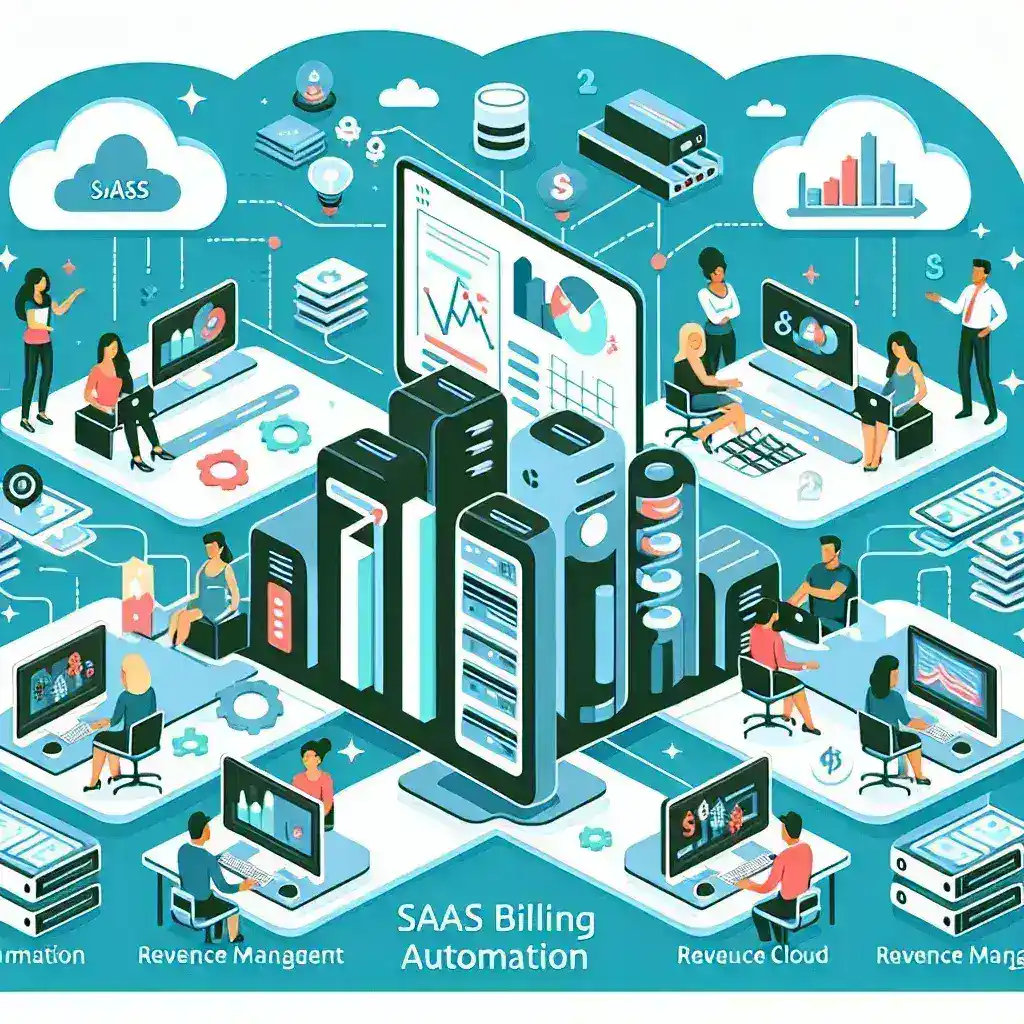
The Evolution of Subscription Billing in the Digital Age
The software-as-a-service industry has fundamentally transformed how businesses operate, with subscription-based models becoming the cornerstone of modern commerce. As organizations increasingly adopt recurring revenue strategies, the complexity of managing billing cycles, payment processing, and customer lifecycle management has grown exponentially. SaaS billing automation services have emerged as the critical infrastructure that enables businesses to scale efficiently while maintaining accuracy and compliance in their financial operations.
Traditional billing systems, often characterized by manual processes and spreadsheet-based tracking, simply cannot keep pace with the dynamic nature of modern subscription businesses. Companies managing hundreds or thousands of customers across multiple pricing tiers, billing frequencies, and geographic regions require sophisticated automation to maintain competitive advantage and operational efficiency.
Understanding the Core Components of Billing Automation
Modern billing automation platforms encompass a comprehensive suite of functionalities designed to streamline every aspect of the revenue lifecycle. These systems integrate seamlessly with existing business infrastructure, providing a unified approach to subscription management that extends far beyond simple invoice generation.
Subscription Lifecycle Management
Effective billing automation begins with robust subscription lifecycle management capabilities. This includes automated provisioning of new accounts, seamless plan upgrades and downgrades, prorated billing calculations, and intelligent handling of subscription modifications. Advanced platforms can automatically adjust billing amounts based on usage metrics, ensuring customers are charged accurately for their actual consumption patterns.
Payment Processing and Gateway Integration
Integration with multiple payment gateways ensures global reach and customer convenience. Modern billing platforms support various payment methods including credit cards, bank transfers, digital wallets, and emerging payment technologies. Automated retry logic for failed payments, dunning management, and intelligent payment routing optimize collection rates while minimizing customer friction.
Revenue Recognition and Financial Reporting
Compliance with accounting standards such as ASC 606 and IFRS 15 requires sophisticated revenue recognition capabilities. Automated systems can calculate deferred revenue, recognize revenue according to performance obligations, and generate comprehensive financial reports that satisfy audit requirements. Real-time dashboards provide executives with critical metrics including monthly recurring revenue, customer lifetime value, and churn analytics.
Strategic Benefits of Implementing Billing Automation
The implementation of comprehensive billing automation delivers transformative benefits that extend across multiple organizational functions, from finance and operations to customer success and strategic planning.
Operational Efficiency and Cost Reduction
Automation eliminates time-consuming manual processes that previously required significant human resources. Tasks such as invoice generation, payment processing, and account reconciliation become fully automated, allowing finance teams to focus on strategic analysis and business growth initiatives. Organizations typically report 60-80% reduction in billing-related operational costs following implementation.
Enhanced Customer Experience
Customers benefit from transparent, accurate billing with self-service portals that provide real-time access to billing history, usage analytics, and payment management. Automated communication workflows keep customers informed about upcoming charges, payment confirmations, and account status changes, reducing support inquiries and improving satisfaction scores.
Scalability and Growth Enablement
Automated billing systems eliminate traditional scaling constraints, enabling businesses to onboard thousands of new customers without proportional increases in operational overhead. This scalability is particularly crucial for high-growth SaaS companies that need to maintain operational efficiency while expanding rapidly into new markets or customer segments.
Advanced Features Driving Innovation
Leading billing automation platforms incorporate cutting-edge technologies and methodologies that address the evolving needs of modern subscription businesses.
Usage-Based Billing and Metering
Sophisticated metering capabilities enable businesses to implement complex pricing models based on actual usage patterns. Whether tracking API calls, data storage, user seats, or custom metrics, automated systems can collect, aggregate, and bill for usage in real-time. This flexibility allows companies to align pricing with value delivery, potentially increasing revenue while improving customer satisfaction.
Multi-Entity and Global Operations
International businesses require billing systems that can handle multiple currencies, tax jurisdictions, and regulatory requirements. Advanced platforms provide automated tax calculation, multi-language support, and compliance with regional regulations such as GDPR and various data protection laws. Centralized management with localized execution ensures consistent global operations.
Artificial Intelligence and Predictive Analytics
Machine learning algorithms analyze historical data to predict customer behavior, optimize pricing strategies, and identify churn risks. Predictive models can recommend personalized retention offers, suggest optimal billing frequencies, and forecast revenue with increasing accuracy. These insights enable proactive customer success initiatives and data-driven strategic decisions.
Implementation Considerations and Best Practices
Successful billing automation implementation requires careful planning, stakeholder alignment, and phased deployment strategies that minimize business disruption while maximizing value realization.
System Integration and Data Migration
Seamless integration with existing CRM, ERP, and accounting systems ensures data consistency and operational continuity. Comprehensive data migration strategies must account for historical billing data, customer information, and subscription details. API-first architectures enable flexible integrations that can adapt to changing business requirements.
Compliance and Security Framework
Financial data security requires robust encryption, access controls, and audit trails. Compliance with standards such as PCI DSS, SOX, and industry-specific regulations must be built into the system architecture. Regular security assessments and penetration testing ensure ongoing protection against emerging threats.
Change Management and Training
Organizational adoption requires comprehensive training programs for finance teams, customer service representatives, and other stakeholders. Clear documentation, workflow procedures, and escalation processes ensure smooth transition from legacy systems. Executive sponsorship and clear communication of benefits facilitate organization-wide acceptance.
Industry-Specific Applications and Use Cases
Different industries leverage billing automation in unique ways, tailoring functionality to address specific business models and regulatory requirements.
Software and Technology Companies
Technology companies benefit from sophisticated usage tracking, developer-friendly APIs, and flexible pricing models that can accommodate freemium offerings, tiered subscriptions, and enterprise contracts. Integration with product analytics enables billing based on feature usage or performance metrics.
Media and Entertainment Platforms
Streaming services and digital content providers require billing systems that can handle complex licensing arrangements, geographic restrictions, and variable pricing models. Automated systems manage subscriber tiers, content access permissions, and revenue sharing with content creators.
Professional Services and Consulting
Service-based businesses leverage billing automation for time tracking integration, project-based billing, and retainer management. Automated invoicing based on tracked hours, milestone completion, or subscription agreements streamlines client billing and improves cash flow.
Future Trends and Technological Evolution
The billing automation landscape continues to evolve rapidly, driven by technological advancement and changing customer expectations.
Blockchain and Cryptocurrency Integration
Emerging payment methods including cryptocurrencies and blockchain-based transactions are being integrated into billing platforms. Smart contracts enable automated execution of billing terms and conditions, reducing friction and increasing transparency in B2B transactions.
Real-Time Billing and Micro-Transactions
Advanced platforms are moving toward real-time billing capabilities that can process micro-transactions and immediate usage-based charges. This evolution enables new business models such as pay-per-use services and dynamic pricing based on real-time demand.
Enhanced Customer Intelligence
Integration with customer data platforms and advanced analytics engines provides deeper insights into customer behavior, preferences, and lifetime value. These insights drive personalized pricing strategies, targeted retention campaigns, and optimized customer experiences.
Measuring Success and ROI
Organizations implementing billing automation should establish clear metrics and KPIs to measure success and demonstrate return on investment.
Financial Performance Metrics
Key financial indicators include days sales outstanding (DSO), collection rates, billing accuracy, and revenue recognition compliance. Automated systems typically improve these metrics significantly, with many organizations reporting 25-40% improvement in collection efficiency.
Operational Efficiency Indicators
Operational metrics such as billing cycle time, error rates, and manual intervention requirements demonstrate the efficiency gains from automation. Customer satisfaction scores and support ticket volume related to billing issues provide additional insight into system effectiveness.
Strategic Business Impact
Long-term strategic benefits include market expansion capabilities, new product launch speed, and competitive positioning. Billing automation enables businesses to experiment with innovative pricing models and enter new markets more rapidly than competitors using manual processes.
Conclusion: Transforming Revenue Operations for Sustainable Growth
SaaS billing automation services represent a fundamental shift in how modern businesses manage revenue operations. By automating complex billing processes, organizations can achieve unprecedented levels of efficiency, accuracy, and scalability while delivering superior customer experiences. The strategic value extends far beyond cost reduction, enabling new business models, global expansion, and data-driven decision making that drives sustainable competitive advantage.
As subscription-based business models continue to proliferate across industries, billing automation becomes not just an operational necessity but a strategic differentiator. Organizations that invest in comprehensive billing automation platforms position themselves to capitalize on emerging opportunities while maintaining the operational excellence required for long-term success in the digital economy.